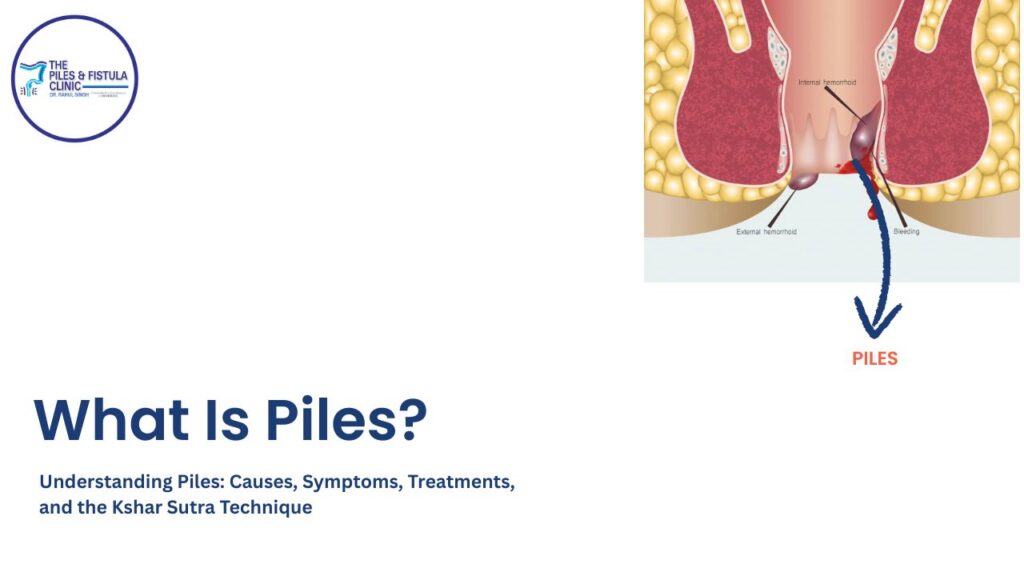
Piles, also known as hemorrhoids, are a common yet often misunderstood medical condition that affects millions of people worldwide. This blog post provides a comprehensive overview of piles, including their causes, symptoms, types, preventive measures, and treatment options, with a special focus on the Kshar Sutra technique, an effective Ayurvedic treatment.
What Are Piles?
Piles are swollen and inflamed veins in the rectum and anus that cause discomfort, pain, and sometimes bleeding. They occur when the veins in the lower rectum or anus become enlarged due to increased pressure, leading to symptoms that can range from mild irritation to severe pain. Piles can be internal (inside the rectum) or external (under the skin around the anus) and are classified into four grades based on severity.
Causes of Piles
Several factors contribute to the development of piles, including:
- Chronic Constipation or Diarrhea: Straining during bowel movements due to hard stools or frequent diarrhea increases pressure on rectal veins.
- Prolonged Sitting or Standing: Sitting for long periods, especially on the toilet, or standing for extended durations can cause blood to pool in the rectal veins.
- Low-Fiber Diet: A diet lacking fiber leads to hard stools, increasing the need to strain during defecation.
- Pregnancy: Increased pressure on the pelvic veins during pregnancy can cause piles, especially in the third trimester.
- Obesity: Excess body weight puts additional pressure on the pelvic and rectal veins.
- Sedentary Lifestyle: Lack of physical activity can impair bowel function and contribute to constipation.
- Aging: As we age, the tissues supporting rectal veins weaken, making piles more likely.
- Genetic Factors: A family history of piles may increase the risk of developing the condition.
- Heavy Lifting: Regularly lifting heavy objects can strain the pelvic region, contributing to piles.
Symptoms of Piles
The symptoms of piles vary depending on their type and severity. Common signs include:
- Pain or Discomfort: Especially during bowel movements or when sitting.
- Bleeding: Bright red blood during or after defecation, often noticed on toilet paper or in the stool.
- Itching or Irritation: Around the anal region due to mucus discharge or inflammation.
- Swelling or Lumps: External piles may cause noticeable lumps around the anus, which can be painful.
- Mucus Discharge: A slimy discharge may occur, leading to irritation.
- Feeling of Incomplete Evacuation: A sensation that the bowels are not fully emptied after a movement.
Types and Grades of Piles
Piles are classified into two main types:
- Internal Piles: Located inside the rectum, these are usually painless but may cause bleeding. They are graded based on severity:
- Grade I: Small swellings inside the rectum that may bleed but do not prolapse.
- Grade II: Piles that prolapse during defecation but return inside spontaneously.
- Grade III: Piles that prolapse and require manual pushing back into the rectum.
- Grade IV: Piles that remain prolapsed outside the anus and cannot be pushed back.
- External Piles: Located under the skin around the anus, these are often painful and may cause swelling or lumps.
Complications of Untreated Piles
If left untreated, piles can lead to complications such as:
- Thrombosed Hemorrhoids: Blood clots form in external piles, causing severe pain and swelling.
- Anemia: Chronic bleeding from piles can lead to iron-deficiency anemia.
- Infection: Open sores or prolapsed piles may become infected.
- Strangulated Hemorrhoids: When blood supply to prolapsed piles is cut off, it can cause extreme pain and tissue damage.
Diagnosis of Piles
A healthcare provider diagnoses piles through a combination of medical history, physical examination, and sometimes diagnostic procedures. These may include:
- Visual Inspection: Checking for external piles or prolapsed internal piles.
- Digital Rectal Examination (DRE): A doctor inserts a gloved finger into the rectum to feel for abnormalities.
- Proctoscopy or Anoscopy: A small instrument is used to view the inside of the rectum.
- Colonoscopy: Recommended in some cases to rule out other conditions like colorectal cancer, especially if bleeding persists.
Conventional Treatments for Piles
Treatment for piles depends on the severity and type. Common approaches include:
- Lifestyle and Dietary Changes:
- Increase fiber intake through fruits, vegetables, and whole grains to soften stools.
- Stay hydrated to prevent constipation.
- Avoid straining during bowel movements.
- Exercise regularly to improve bowel function and reduce pressure on veins.
- Medications:
- Over-the-counter creams, ointments, or suppositories to relieve pain and itching.
- Painkillers like ibuprofen to manage discomfort.
- Laxatives to ease constipation.
- Minimally Invasive Procedures:
- Rubber Band Ligation: A band is placed around the base of an internal pile to cut off its blood supply, causing it to shrink.
- Sclerotherapy: A chemical is injected into the pile to shrink it.
- Infrared Coagulation: Heat is used to shrink internal piles.
- Laser Therapy: A laser is used to remove or shrink piles.
- Surgical Options:
- Hemorrhoidectomy: Surgical removal of severe or prolapsed piles, typically for Grade III or IV.
- Stapled Hemorrhoidopexy: A procedure to reposition and fix prolapsed piles using a stapling device.
The Kshar Sutra Technique: An Ayurvedic Approach
The Kshar Sutra technique is a minimally invasive Ayurvedic treatment for piles that has gained popularity due to its effectiveness, low recurrence rate, and minimal side effects. It is particularly effective for internal and external piles, including those that are prolapsed or thrombosed.
What is Kshar Sutra?
Kshar Sutra is a specialized thread coated with herbal alkaline (kshar) medicines, used to ligate and gradually cut through the pile mass while promoting healing. The thread is prepared by coating a surgical linen or cotton thread with layers of alkaline herbal pastes, such as Apamarga Kshar (Achyranthes aspera), Snuhi latex (Euphorbia nerifolia), and turmeric (Curcuma longa). These ingredients have anti-inflammatory, antiseptic, and tissue-healing properties.
How Does Kshar Sutra Work?
The procedure involves the following steps:
- Preparation: The patient is evaluated, and the piles are diagnosed through clinical examination. Local anesthesia is typically used to minimize discomfort.
- Thread Application: The Kshar Sutra thread is carefully tied around the base of the pile mass, cutting off its blood supply. The alkaline coating gradually erodes the pile tissue while promoting healthy tissue regeneration.
- Gradual Cutting: Over 7–10 days, the thread cuts through the pile mass, causing it to shrink and eventually fall off. The herbal coating prevents infection and promotes healing.
- Follow-Up: The thread is replaced weekly if needed, and the patient is monitored until complete healing occurs.
Benefits of Kshar Sutra
- Minimally Invasive: No major surgery is required, reducing recovery time.
- Low Recurrence Rate: Studies suggest a recurrence rate of less than 5%, compared to 20–30% for conventional surgeries.
- Effective for All Grades: Suitable for both early and advanced piles, including Grade III and IV.
- Minimal Side Effects: The herbal medicines reduce the risk of infection and promote natural healing.
- Cost-Effective: Less expensive than surgical procedures like hemorrhoidectomy.
- Outpatient Procedure: Patients can often return home the same day.
Risks and Considerations
While Kshar Sutra is generally safe, some patients may experience:
- Mild pain or discomfort during thread application or healing.
- Temporary bleeding or discharge.
- Rarely, infection if post-procedure care is inadequate.
Patients with bleeding disorders or severe infections may not be suitable candidates and should consult an Ayurvedic practitioner or surgeon.
Post-Procedure Care
- Maintain a high-fiber diet and stay hydrated.
- Avoid spicy, oily, or heavy foods that may irritate the bowels.
- Take sitz baths (sitting in warm water) to reduce discomfort and promote healing.
- Follow the doctor’s advice on wound care and hygiene.
- Avoid straining during bowel movements.
Prevention of Piles
Preventing piles involves adopting healthy habits to reduce strain on rectal veins:
- Eat a High-Fiber Diet: Include fruits, vegetables, whole grains, and legumes to ensure soft stools.
- Stay Hydrated: Drink plenty of water to prevent constipation.
- Exercise Regularly: Activities like walking, yoga, or swimming improve circulation and bowel function.
- Avoid Prolonged Sitting: Take breaks if you have a sedentary job or lifestyle.
- Practice Good Toilet Habits: Avoid straining or spending too long on the toilet.
- Maintain a Healthy Weight: Weight management reduces pressure on pelvic veins.
When to See a Doctor
Consult a healthcare provider if you experience:
- Persistent or severe pain in the anal region.
- Ongoing bleeding during bowel movements.
- A lump or swelling that doesn’t resolve.
- Symptoms of anemia, such as fatigue or weakness.
Conclusion
Piles are a common condition that can significantly impact quality of life if left untreated. While lifestyle changes and medications can manage mild cases, advanced piles may require procedures like the Kshar Sutra technique. This Ayurvedic treatment offers a safe, effective, and minimally invasive solution with a low recurrence rate, making it an excellent option for many patients. By understanding the causes, symptoms, and treatment options for piles, you can take proactive steps to manage or prevent this condition and improve your overall well-being.
If you’re considering Kshar Sutra or other treatments, consult a qualified healthcare provider or Ayurvedic practitioner to determine the best approach for your condition.